Welcome to our website.
0%

You know, Chip On Board (or COB) technology is really changing the game in the electronics world. It's all about making gadgets more compact and packing a punch in terms of performance. I came across a recent report from Yole Développement that projects the COB market is gonna grow at around 12% annually from 2023 to 2028. That’s pretty impressive and shows how people are really craving efficient, reliable tech solutions these days.

Basically, COB works by directly attaching chips onto a substrate. This approach helps cut down the size of devices but also boosts thermal management and makes stuff more durable. For example, big players like Samsung and Apple are already using COB in their premium devices. They’re taking advantage of its benefits to push out some seriously advanced tech to consumers. But, and here’s the catch, adopting COB isn’t all smooth sailing. Maintaining quality control and getting manufacturing just right can be pretty tricky.

All in all, the perks of COB are pretty clear—smaller, better, more efficient devices. Still, it’s worth thinking about the costs involved and whether you might need some pretty specialized equipment to make it happen. Every advantage should be weighed up against what your specific project needs. But honestly, when you look at the bigger picture, COB really is a big step forward in electronics, and it offers a pretty exciting option for buyers around the world looking ahead to the future.

Top Benefits of Chip On Board Technology for Global Buyers?

Overview of Chip On Board (COB) Technology

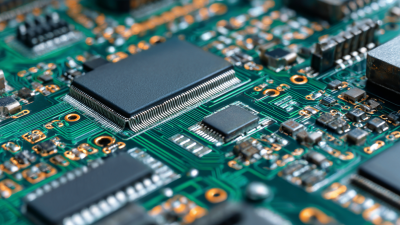
Chip On Board (COB) technology has emerged as a game-changer in the electronics industry. This approach involves mounting chips directly onto a printed circuit board (PCB). The result is a compact design that maximizes space while enhancing performance. By eliminating the need for traditional packaging, COB allows for better heat dissipation and improved reliability. As a result, buyers can benefit from reduced costs and improved efficiency in their electronic products.

When adopting COB technology, consider the potential challenges. The manufacturing process can be complex, requiring precision and expertise. Moreover, some may question the long-term durability of COB assemblies compared to traditional methods. It's essential to weigh these concerns before implementation.

Tip: Always collaborate with experienced suppliers. Their insights can help you navigate the intricacies of COB technology. Testing prototypes is crucial. It helps identify any flaws early on, ensuring that the final product meets your standards. Investing time in research and development may seem daunting, but it pays off in the long run.

Top Benefits of Chip On Board Technology for Global Buyers

Benefit Description Impact on Cost Impact on Performance
Compact Size COB technology allows for reduced component size, leading to more compact products. Reduces materials cost Improves space efficiency
Improved Thermal Management Better heat dissipation due to direct mounting on substrates. Potentially lower cooling costs Enhances reliability and performance
Reduced Assembly Time Fewer components lead to quicker assembly and lower labor costs. Lowers labor costs Increases production speed
Enhanced Electrical Performance Shorter electrical paths improve signal integrity. Potential for reduced power costs Enhances overall device performance
Higher Reliability Fewer interconnections reduce points of failure. Minimizes warranty and replacement costs Increases device longevity

Key Advantages of COB Technology for Global Buyers

Chip On Board (COB) technology offers significant advantages for global buyers in various industries. One of the primary benefits is its compact size. COB allows components to be mounted directly onto a surface, reducing the overall footprint. This feature can lead to slimmer designs, which is increasingly important in modern electronics. Moreover, COB technology enhances thermal management. Better heat dissipation means improved performance, particularly in high-power applications.

Another key advantage is lower manufacturing costs. The integration of components reduces the number of assembly steps, cutting labor and material expenses. This streamlined process can lead to quicker product development cycles. However, it's essential to consider that while manufacturing can be cheaper, initial setup costs for COB technology can be high. Buyers should weigh these factors based on their production scale.

Reliability is another important factor. COB technology often results in fewer solder joints, which can minimize failure rates in harsh environments. Yet, it also requires careful quality control during production. Understanding these dynamics is crucial for global buyers looking to leverage COB for their applications.

Impact on Production Efficiency and Cost Savings

Top Benefits of Chip On Board Technology for Global Buyers?

Chip On Board (COB) technology is transforming production efficiency for global manufacturers. By directly mounting chips onto PCBs, COB reduces the need for additional packaging. This streamlined approach is leading to significant cost savings. According to a recent industry report by Market Research Future, adopting COB can reduce production costs by up to 30%. Companies observe an 80% reduction in space requirements as well.

Efficiency is not just about savings; it’s also about time. The quicker assembly process of COB results in shorter production cycles. Data from the International Journal of Electronics shows that manufacturers using COB technology can achieve a 40% faster production throughput compared to traditional methods. This speed can meet the demands of a fast-paced market. However, transitioning to COB does come with challenges. Some manufacturers may encounter issues in solder quality or thermal management, requiring adjustments in current processes.

Tips for efficient COB implementation include investing in training for the assembly team. Ensure they understand the unique challenges tied to COB. Regular quality checks during the assembly process can also help avoid potential issues. Keeping up with new soldering technologies can further enhance reliability. Regular assessments can identify areas for improvement, ensuring that the transition is smooth and beneficial. Adopting COB technology has extensive benefits, yet it requires a commitment to continuous improvement.

Enhancements in Performance and Reliability of COB Solutions

Chip On Board (COB) technology has gained significant attention for its ability to enhance performance and reliability. One of the key benefits is the improved thermal management. In a COB setup, chips are directly mounted on the printed circuit board. This design allows for better heat dissipation, preventing overheating during operation. As a result, COB solutions enjoy longer lifespans and reduced risk of failure.


Another notable enhancement is the increased durability in various environments. COB technology uses robust encapsulation materials that withstand harsh conditions. Manufacturers often report lower failure rates, even in challenging settings. This reliability is crucial for industries that rely on consistent performance, such as automotive and aerospace. However, buyers must also consider the complexity of the manufacturing process. It's important to ensure that the technical capabilities of suppliers match their promises.


While there are many advantages, manufacturers should address potential drawbacks. Yield rates can vary significantly with COB technology. A focus on quality control is essential in production. This emphasis ensures that the benefits of improved performance and reliability are fully realized. When balanced with careful monitoring, COB technology can deliver remarkable outcomes for global buyers.

Applications of COB Technology Across Various Industries

Chip On Board (COB) technology has found diverse applications across various industries, significantly enhancing product performance and design flexibility. In the lighting industry, COB LEDs deliver superior brightness with compact size. They allow for innovative lighting solutions in residential and commercial spaces. These advancements lead to energy efficiency, reducing both operational costs and environmental impact.

In the automotive sector, COB technology supports compact and efficient lighting systems. This reduces the overall weight of vehicles, contributing to better fuel efficiency. However, the challenge lies in thermal management. Efficient heat dissipation is crucial to prevent damage and ensure long-term reliability. Engineers must continually innovate to overcome these obstacles.

The consumer electronics sector benefits greatly from COB technology as well. It enables smaller and more powerful devices, allowing for sleek designs. Mobile devices, wearables, and smart gadgets use this technology to improve functionality. Despite the advantages, manufacturers must address the complexities of integration and assembly. Ensuring consistency and quality control remains a priority.

Comparative Analysis: COB Technology vs. Traditional Methods

Chip On Board (COB) technology offers distinct advantages compared to traditional methods. One key benefit is its compact design. COB allows for smaller packages, which is vital in dense electronic applications. Traditional methods often require more space for components. This difference leads to a more streamlined product design, crucial for modern consumer electronics.

Another notable contrast is performance. COB technology typically enhances heat dissipation. This results in better reliability and efficiency. In contrast, traditional methods might struggle with heat management. As electronics become more powerful, effective thermal management is crucial. A poorly managed system can lead to failures or shortened lifespan. This aspect is something designers need to closely consider.

Cost is another factor to explore. Traditional methods often involve more materials and longer assembly processes. COB can reduce labor costs and material waste. However, initial setup for COB might be higher. Buyers must weigh the long-term benefits against this initial investment. Each project may require unique considerations, and what works for one may not suit another. This nuance adds complexity to decision-making in purchasing.

Future Trends and Innovations in Chip On Board Technology

Chip On Board (COB) technology is evolving rapidly, driving innovation in various sectors. One trend is the miniaturization of electronic components. As devices become smaller, the demand for compact assembly methods increases. COB provides a robust solution. It reduces the space required for components while enhancing performance.

Another notable trend is the improvement in thermal management. As electronic devices become denser, managing heat has become crucial. Advanced materials are now being used in COB technology to dissipate heat more effectively. This helps in preventing overheating and prolonging the lifespan of electronic products. The combination of improved heat dissipation and compact size can lead to even more efficient devices.

Sustainability is also emerging as a vital focus in COB technology. Manufacturers are exploring eco-friendly materials and processes to reduce waste. Innovations in recycling techniques promise to make COB a greener option in the long run. However, challenges remain in balancing efficiency and environmental impact. As industries adopt these trends, continuous evaluation is vital to ensure responsible growth in COB technology.

FAQS

: What is Chip On Board (COB) technology?

: COB technology mounts chips directly onto a printed circuit board (PCB), creating a compact design and improving performance.

How does COB technology enhance production efficiency?

COB reduces the need for packaging, increasing space efficiency and speeding up assembly processes.

What cost savings can companies expect from COB technology?

Companies may see production costs reduced by up to 30% with COB, along with an 80% reduction in space requirements.

What challenges arise when implementing COB technology?

Some challenges include complex manufacturing processes and concerns about long-term durability compared to traditional methods.

Why is testing prototypes important in COB technology?

Testing prototypes helps identify flaws early, ensuring the final product meets quality standards and avoids potential issues.

How can manufacturers improve their COB assembly processes?

Investing in training, performing regular quality checks, and keeping up with new soldering technologies can enhance reliability.

What applications does COB technology have in the lighting industry?

COB LEDs provide superior brightness in compact designs, leading to energy efficiency and reduced operational costs.

How does COB technology impact the automotive industry?

In automotive, COB reduces vehicle weight and enables efficient lighting, improving fuel efficiency but posing thermal management challenges.

What benefits does COB technology offer to consumer electronics?

COB allows for smaller, more powerful devices, facilitating sleek designs in mobile gadgets and wearables.

What must manufacturers focus on when using COB technology?

Ensuring consistent quality control and addressing integration complexities is critical for successful COB implementation.

Conclusion

Chip On Board (COB) technology represents a significant advancement in the field of electronics, offering numerous benefits for global buyers. This innovative method involves directly mounting chips onto a printed circuit board, leading to enhanced production efficiency and cost savings. The compact nature of COB solutions not only saves valuable space but also improves performance and reliability compared to traditional methods. As industries across the board adopt COB technology, applications are becoming increasingly diverse, ranging from consumer electronics to automotive and beyond.

The comparative analysis highlights the superiority of COB technology over conventional approaches, particularly in terms of thermal management and electrical performance. Looking ahead, the future trends in Chip On Board technology promise further innovations, potentially reshaping the landscape of electronic manufacturing. Overall, the shift towards COB is poised to benefit buyers worldwide, driving efficiency and fostering technological advancements across various sectors.

Ethan

Ethan

Ethan is a dedicated marketing professional with a deep expertise in the electronics manufacturing sector at Zhuhai Xinrunda Electronics, a high-tech company established in 2004. With a strong commitment to providing top-notch electronic manufacturing services, including Surface Mount Technology......
Previous How to Choose the Best Dip for Your Next Event?